
Violence interruption
Someone has to step in. Practice being that someone.
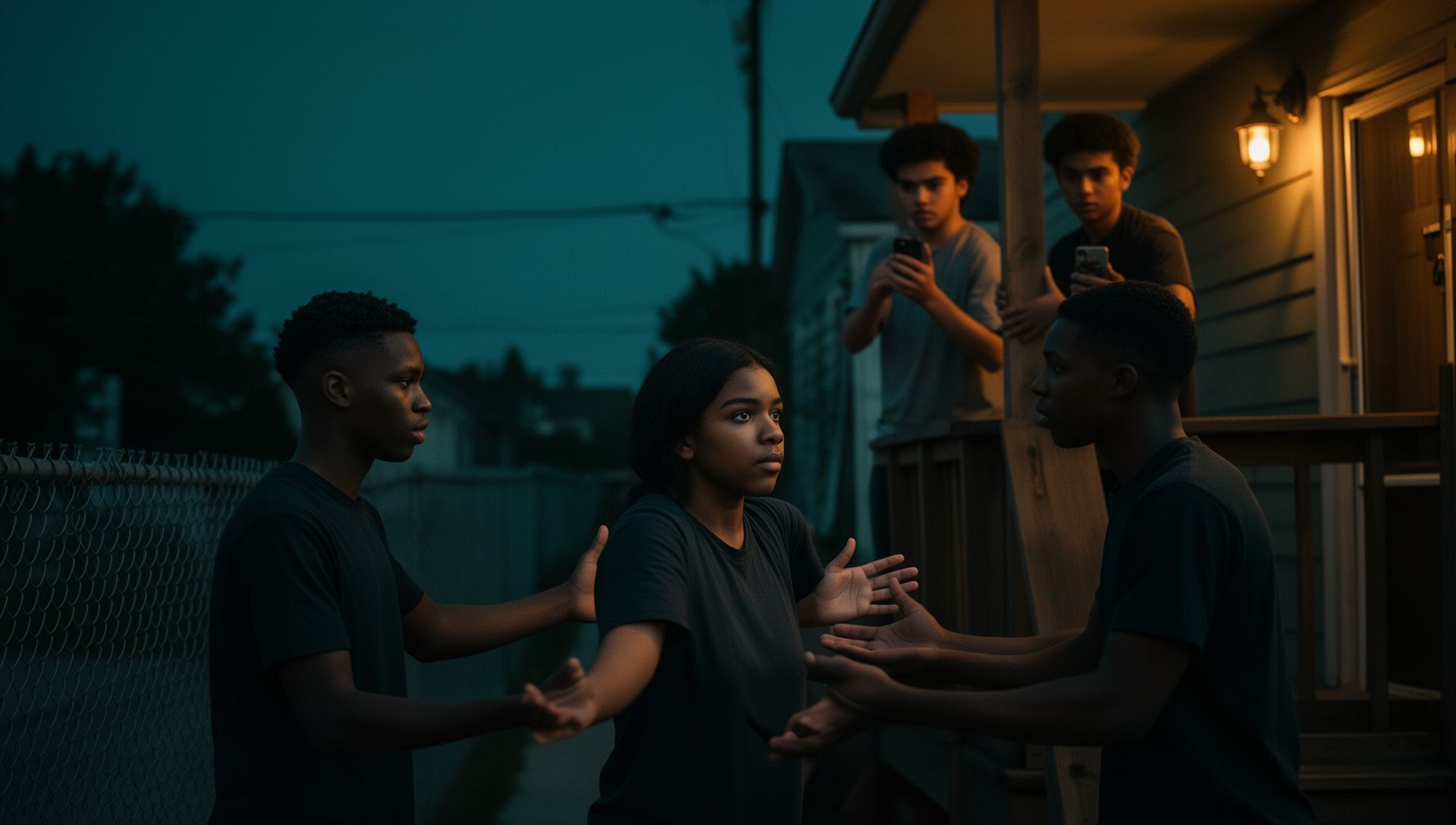
One in three homicides starts as an argument. A trained person nearby changes the ending. Our scenes train the next interrupters safely, with people who push back, until stepping in is the reflex.
For youth, and for the outreach workers who step in. Built in Baton Rouge, made to travel.
Start here
What brings you to Peace Labs?
Three doors, three very different needs. Pick yours and we will skip everything that is not for you.
I need help
For you, a friend or your family: who to call right now, and what Peace Labs can offer when the moment has passed.
I want to help
Volunteers, mentors, students, neighbors: be part of the next scene, the next workshop, the next block.
I want to partner
Cities, schools, agencies, foundations and programs: see what we have built, book a demo, bring it home.
The problem
The numbers, and what can be done about each one
No. 1
cause of death for Americans aged 1 to 19 is firearms: 4,733 deaths in 2021, more than car crashes.
Source: CDC WONDER data, reported by PolitiFact, 2021
What Peace Labs does
Scenes built for teens, in their places, where the thing they practice is the moment before a shooting.
1 in 3
homicides with a known circumstance started as an argument or conflict (32.1%).
Source: CDC National Violent Death Reporting System, 32 states, 2016
What Peace Labs does
Communication and conflict resolution, rehearsed against characters who push back, until stepping back is the reflex.
69,973
drug overdose deaths in the United States in 2025 (provisional); 44,564 involved opioids. Down 14% from 2024, and still about 190 people a day.
Source: CDC National Center for Health Statistics, 2026
What Peace Labs does
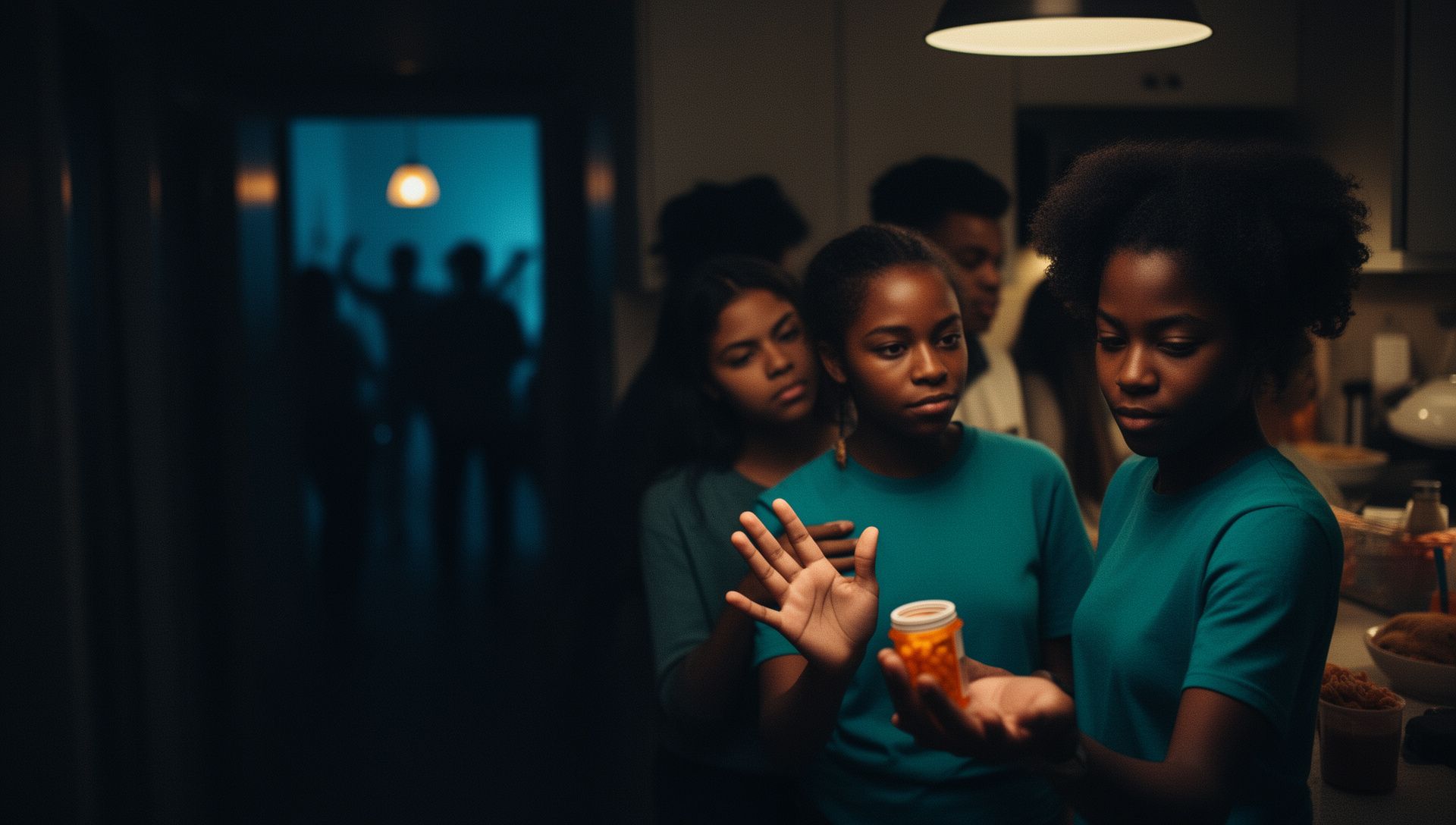
Refusal, recognition and response scenes for opioids, plus the training and toolkits to act in the minutes that count.
22%
of high-school students (grades 9-12) said illegal drugs were offered, sold or given to them on school property in the past year.
Source: CDC Youth Risk Behavior Survey, via NCES Digest of Education Statistics, 2019
What Peace Labs does
The offer comes at school, at a party, from a friend. Young people practice the no before they need it.
$493 billion
the cost of firearm injuries and deaths in the United States in one year (2020): medical care, lost work and lost quality of life.
Source: CDC researchers, American Journal of Preventive Medicine, 2024
What Peace Labs does
Prevention costs a fraction of this. A scene costs dollars to make and nothing to replay.
63%
fewer shootings in the South Bronx after a community violence-interruption program, in an independent evaluation.
Source: John Jay College Research and Evaluation Center, as summarised by Cure Violence Global, 2017
What Peace Labs does
Interruption works when interrupters are trained and present. We train the next ones safely and give programs the data to prove it.
Figures are from the named sources. Results from our own programs will be published as they report them.
Where we start
Baton Rouge, Louisiana
94
people were killed in East Baton Rouge Parish in 2025, down from 113 in 2024. Firearms were used in the vast majority.
Source: The Advocate, from Baton Rouge Police and EBR Sheriff reports, 2026
What Peace Labs does
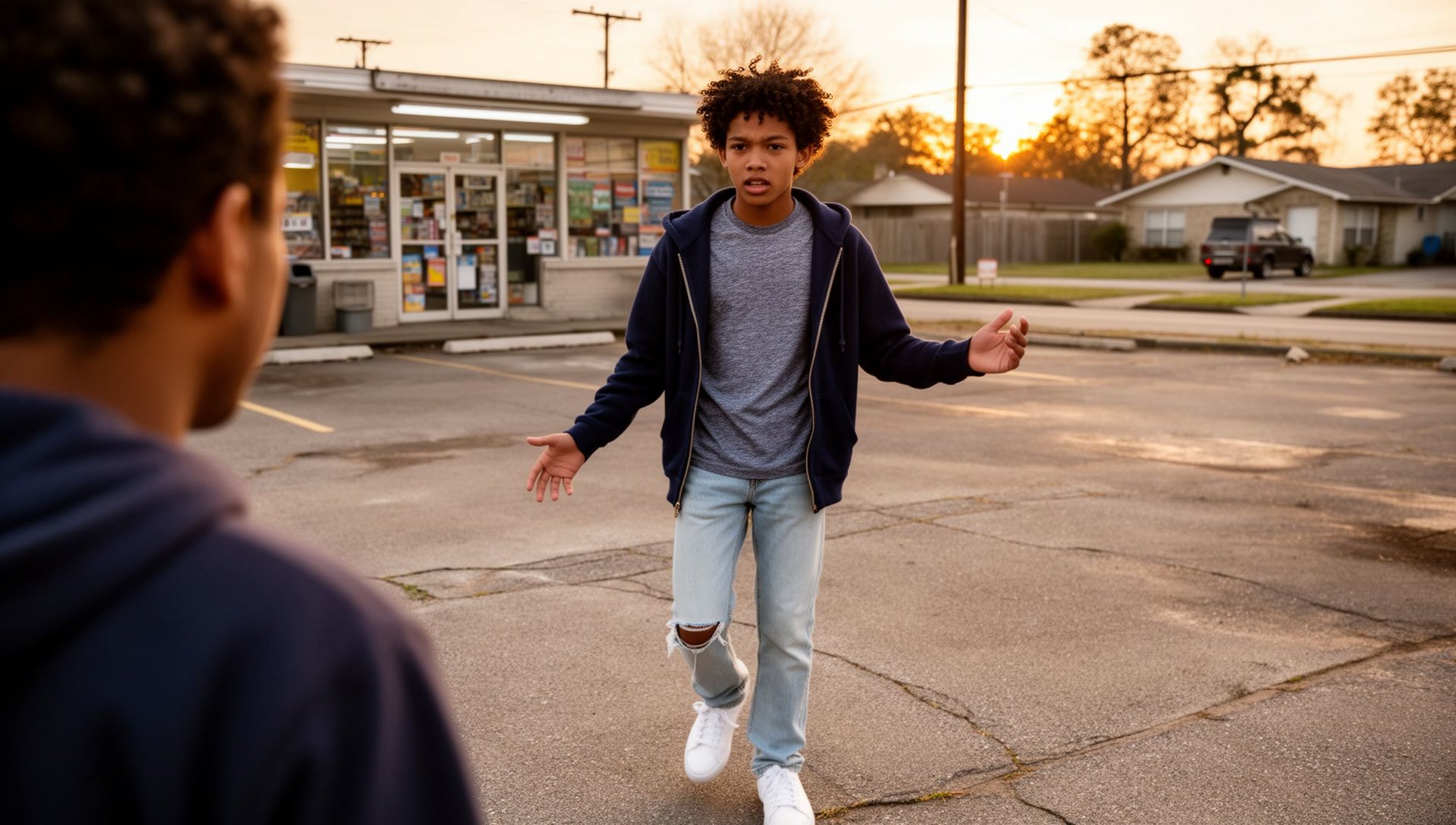
Our first scene is a Baton Rouge market lot, with Baton Rouge voices. Programs here get every scene first.
6 of 11
homicide victims in East Baton Rouge Parish in January 2026 were teenagers, aged 16 to 19, all shot. One began as an argument over a pickup basketball game; another over being blocked on social media.
Source: The Advocate, 2026
What Peace Labs does
A basketball game. A block on an app. These are the arguments our scenes are built from, so the practice matches the street.
No. 1
cause of death for Louisiana children and teens (ages 1-17) in 2024 was firearms. 70 young people died.
Source: Johns Hopkins Center for Gun Violence Solutions, from CDC data, 2024
What Peace Labs does
Youth programs, schools and outreach teams in Louisiana can run our scenes today, on the phones their young people already carry.
2nd
highest gun homicide rate in the United States: Louisiana, 2024.
Source: Johns Hopkins Center for Gun Violence Solutions, from CDC data, 2024
What Peace Labs does
We start where the need is highest. What we learn and measure here becomes the playbook for other cities.
Working somewhere else? The same scenes, training and data are built to be re-made for your city, with your places and your people.
The catalyst
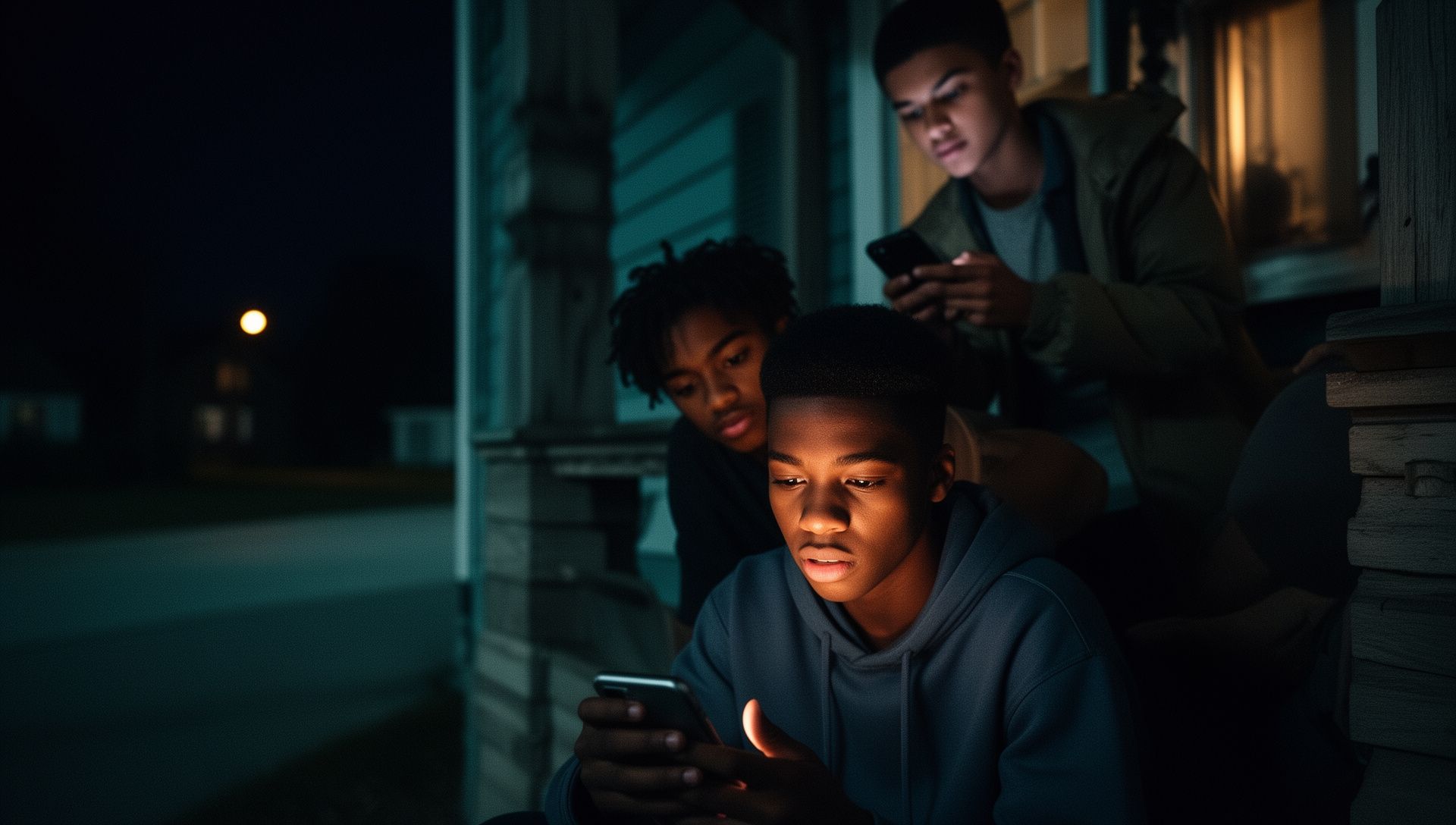
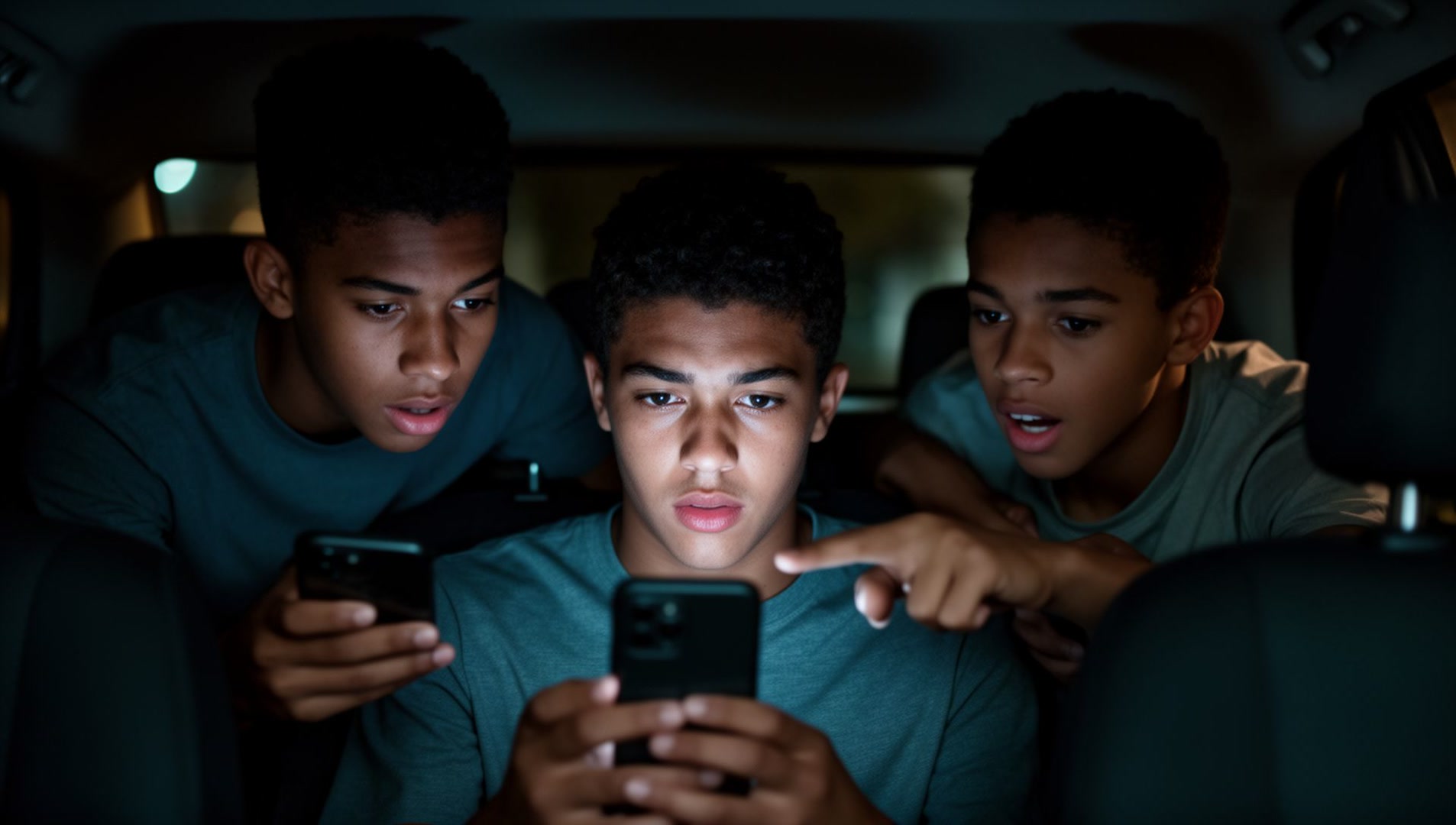
The argument starts on a phone.
A post. A screenshot. A comment under it. A live stream with two hundred people watching. What used to be two kids and a bad afternoon is now a crowd, a record and a dare, and it moves from the phone to the corner in hours.
In Baton Rouge this January, one killing began with a block on an app and another with an argument at a pickup basketball game. Our scenes start where the real ones start: on the screen, with an audience, before anyone has stepped outside.
The Corner Store scene begins with a post. Our next scene type begins in the group chat itself.
38%
of US teens say they feel overwhelmed by the drama they see on social media (45% of girls).
Source: Pew Research Center, survey of 1,316 teens aged 13-17, 2022
What Peace Labs does
We put the drama in the scene on purpose: the post, the comments, the friend who wants to go handle it, so young people practice the pause while the pressure is real.
+91%
rise in the homicide rate for 15- to 19-year-olds in the United States from 2014 to 2021, the years the group chat became the block.
Source: CDC data brief, as reported by ProPublica, 2023
What Peace Labs does
The rise is in the age group our scenes are built for. Online-to-offline conflict is a scene type on our platform, not a footnote.
The solutions
Be ready for the moment before
Violence interruption
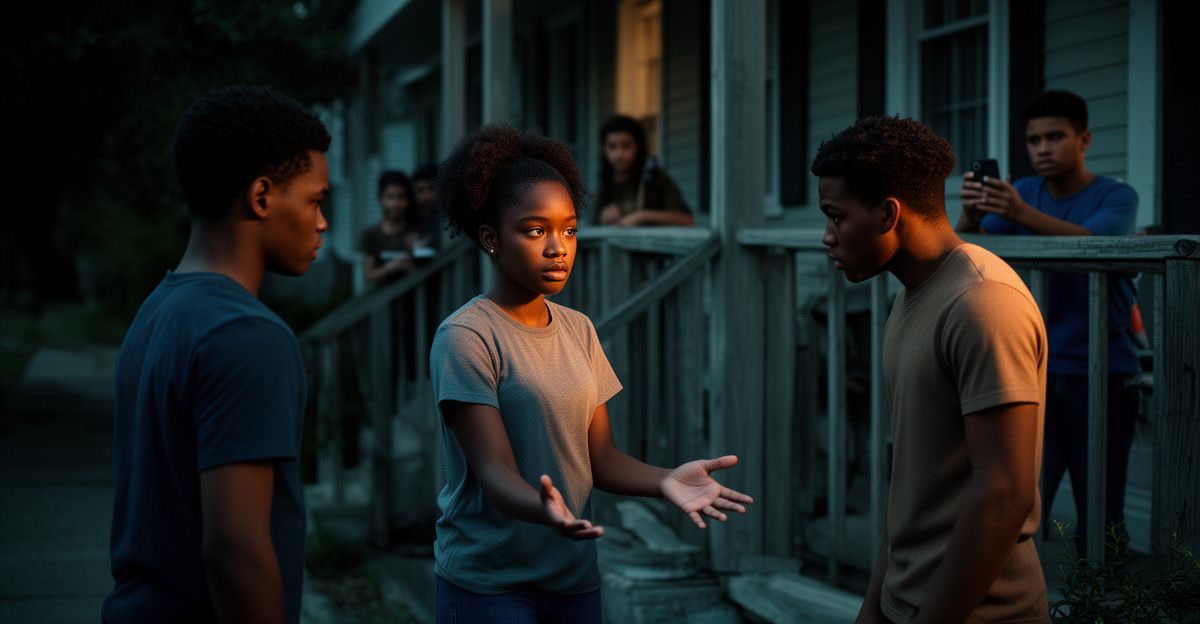
Rehearsal for the argument that turns, the beef that follows people online, the friend who wants backup. For youth, and for the outreach workers who step in.
Includes: Simulations · Gamification · Facilitator tools · Outcome data
Crisis management
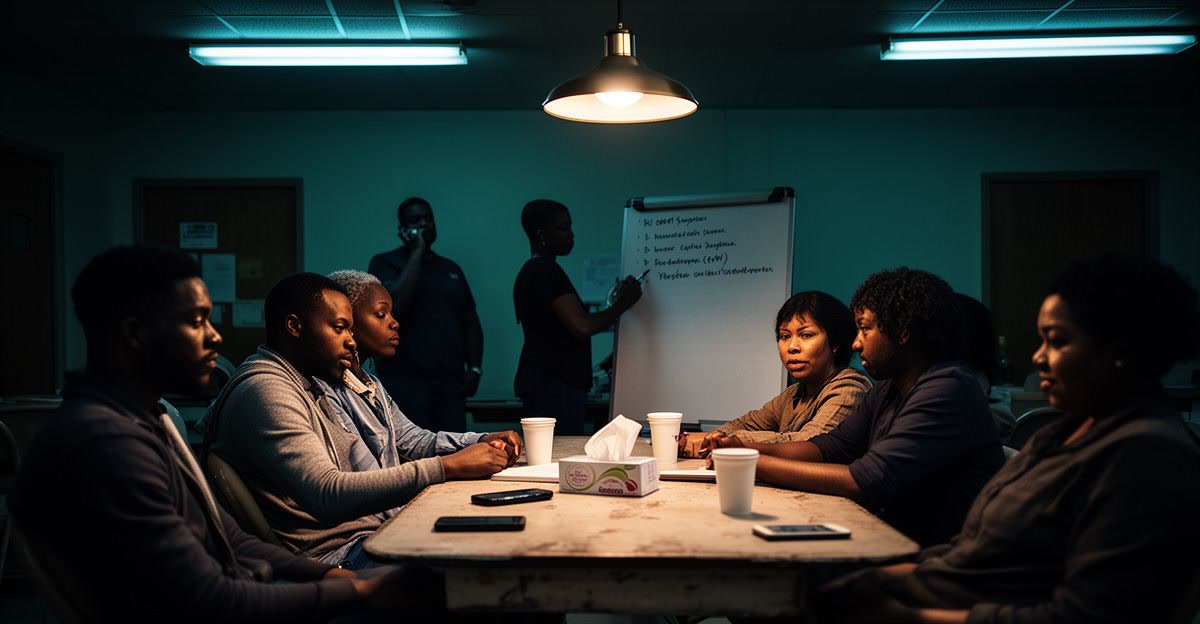
When something has already happened: the steps, the roles, the check-ins and the follow-ups a team needs in the first hours and days, in tools people will actually use under pressure.
Includes: Processes & toolkits · Training · Communication tools
Opioids & addiction
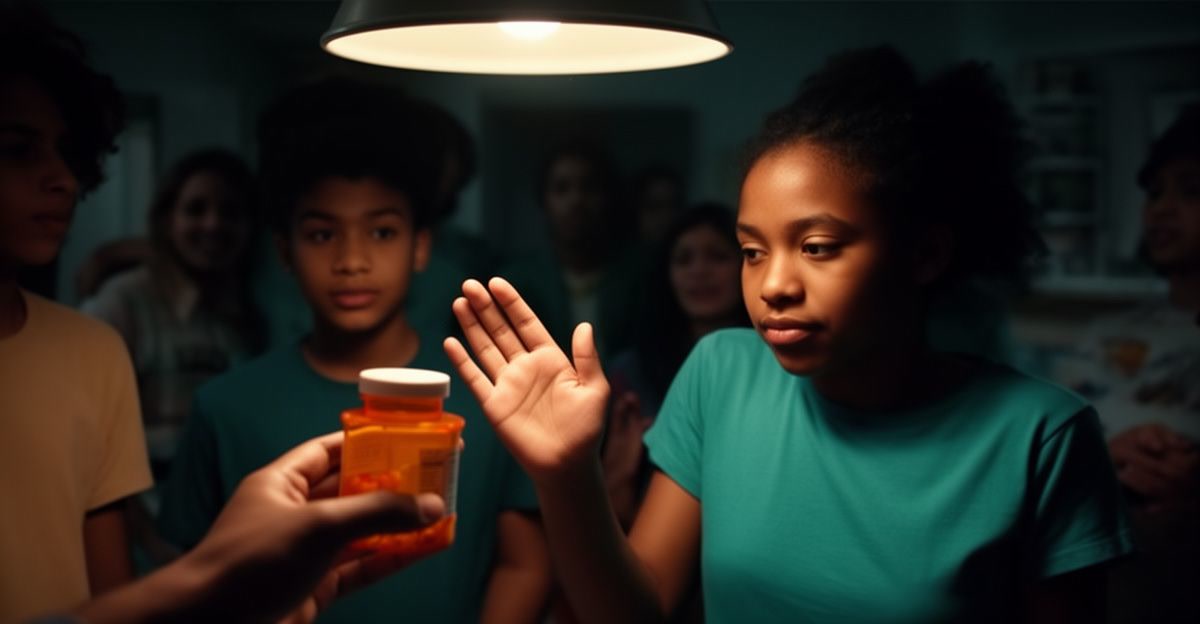
The offer at the party, the pill that is “just for sleep,” the friend who is not okay, and the link between drugs and violence programs see every day. Scenes for refusing, noticing and acting.
Includes: Simulations · Training · Toolkits · Data
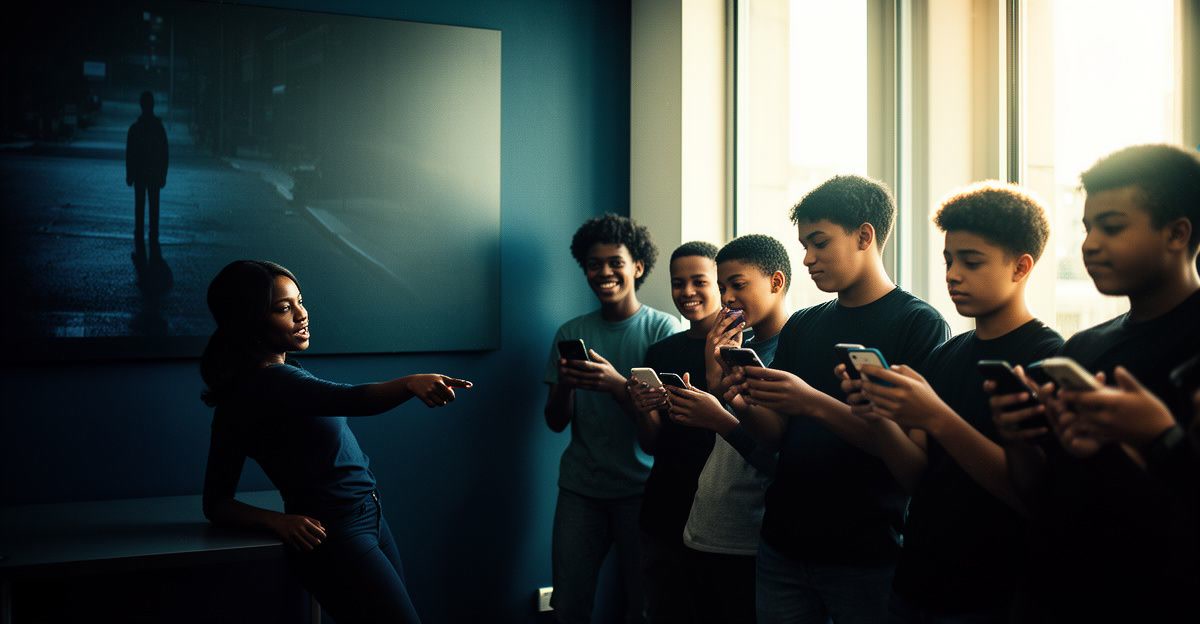
Training & facilitation
Short, guided sessions for youth, staff, families and peer workers, with the facilitator guide, the room tools and the record of who completed what. Delivered through technology, led by people.
Includes: Training · Gamification · Processes · Analytics
Built and running
See it, do not take our word for it
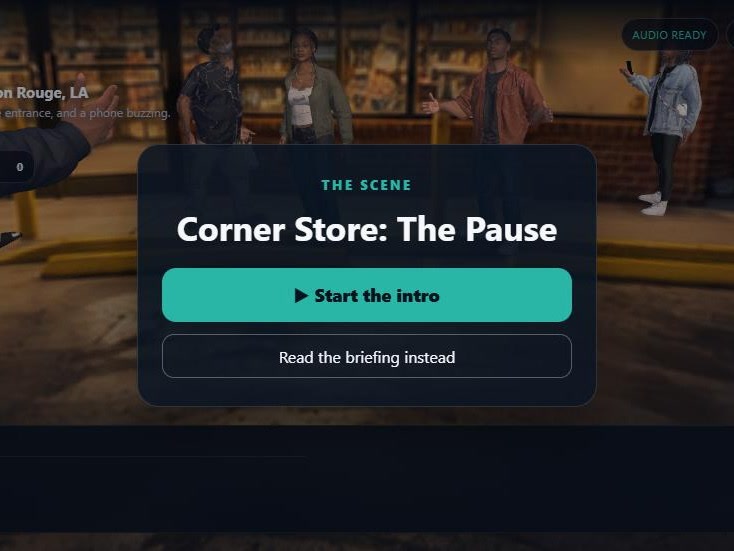
A live scene: the Corner Store
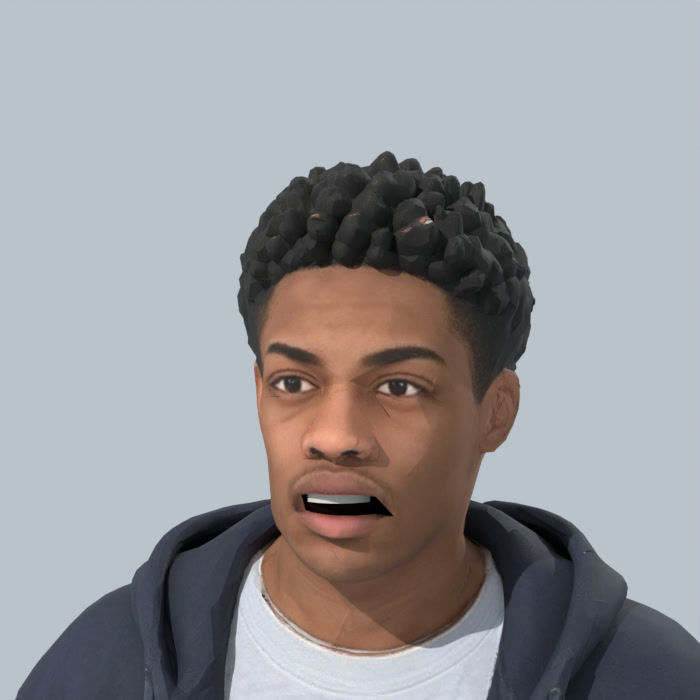
Characters who answer back

Phone, screen or headset
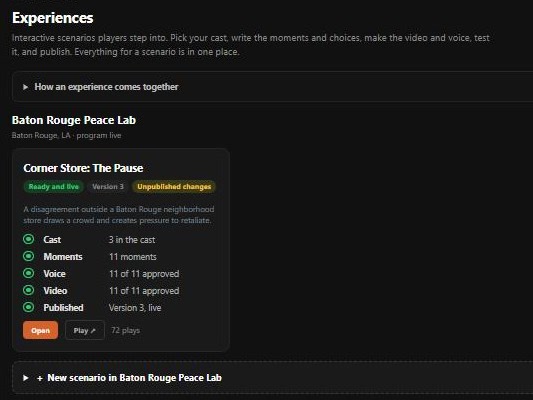
The studio and the data behind it
What sets it apart
Knowing what to do and having done it are not the same.
Who builds it
A software vendor who learns your world from a requirements document.
People who grew up in it, still live in it, and write the software themselves.
Learning the skill
A slideshow, a worksheet, a quiz.
A scene with people who push back, where the choice has consequences and can be replayed until it goes right.
Where it happens
A headset lab, a few scenarios, a waiting list.
The phone in their pocket, in your room, with your city’s places and voices. Headsets when you have them.
Proving it
Attendance and a satisfaction survey.
Scenes played, choices made, outcomes reached and skills earned, by cohort and over time.
Who we are
From here. Still here. And we build the tools.
A lifetime rooted in the community
Who happened to become the tech experts
Built to travel
How we work with you
From your situation to a running program
Tell us the moment
We build it
You run it
We both see it work
Questions